Native Indonesian Nutrition for Everyday Mobility
Discover traditional dietary elements and natural compounds from tropical regions supporting balanced body movement in daily life.
Nutrition from the Islands
Native Indonesian plant extracts have been part of traditional dietary practices for generations. These natural compounds represent a rich botanical heritage, offering diverse nutritional elements that support everyday wellness and fluid movement throughout daily activities.
The tropical climate and unique biodiversity of Indonesian regions create an abundant source of botanical compounds. Understanding these natural elements provides insight into traditional nutritional approaches and their role in supporting balanced lifestyle practices.

Role of Local Plants in Everyday Movement
Traditional knowledge from Indonesian communities reveals the importance of native botanical elements in daily dietary practices. These plant-derived compounds contribute to comprehensive nutritional profiles, supporting the body's natural capacity for fluid movement and flexibility throughout routine activities.
Local plants contain diverse biochemical compounds that have been valued in traditional nutrition systems. Exploring these natural sources provides educational context about botanical diversity and its relationship to everyday wellness practices across different cultures.
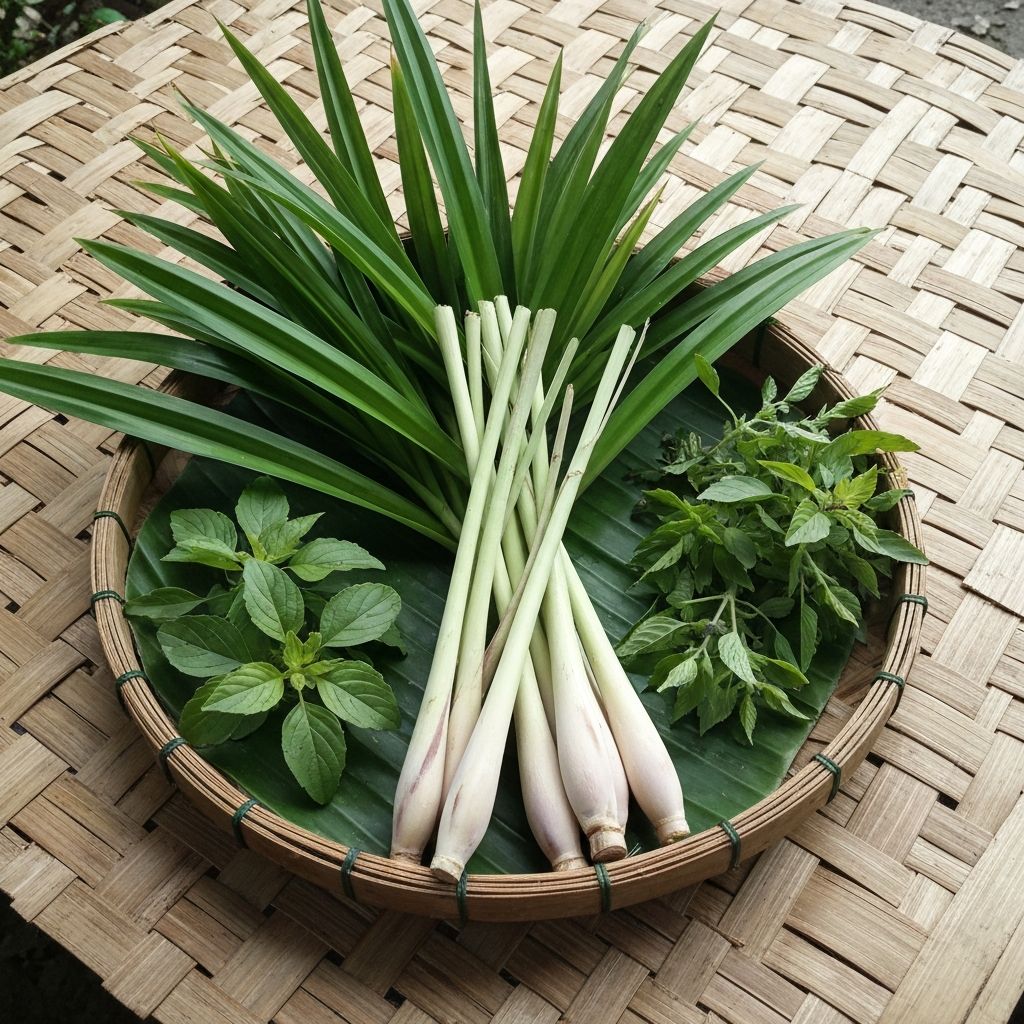
Overview of Native Compounds
Indonesian regions provide access to multiple botanical sources containing complementary natural elements. These compounds represent different plant families and their nutritional contributions:
- Glucosamine compounds - Found in marine and terrestrial plant sources across tropical regions
- Chondroitin sources - Present in traditional food elements and botanical preparations
- Collagen peptides - Derived from marine and plant-based sources in coastal Indonesian areas
- MSM (Methylsulfonylmethane) - A sulfur compound found in various plant-based foods
- Curcumin - The active compound in turmeric, a staple in Indonesian cuisine
- Ginger compounds - Bioactive elements from fresh ginger root, widely used traditionally
- Boswellia extracts - Botanical compounds from tree resins
- Jambu and Pandan elements - Unique compounds from regional plant sources
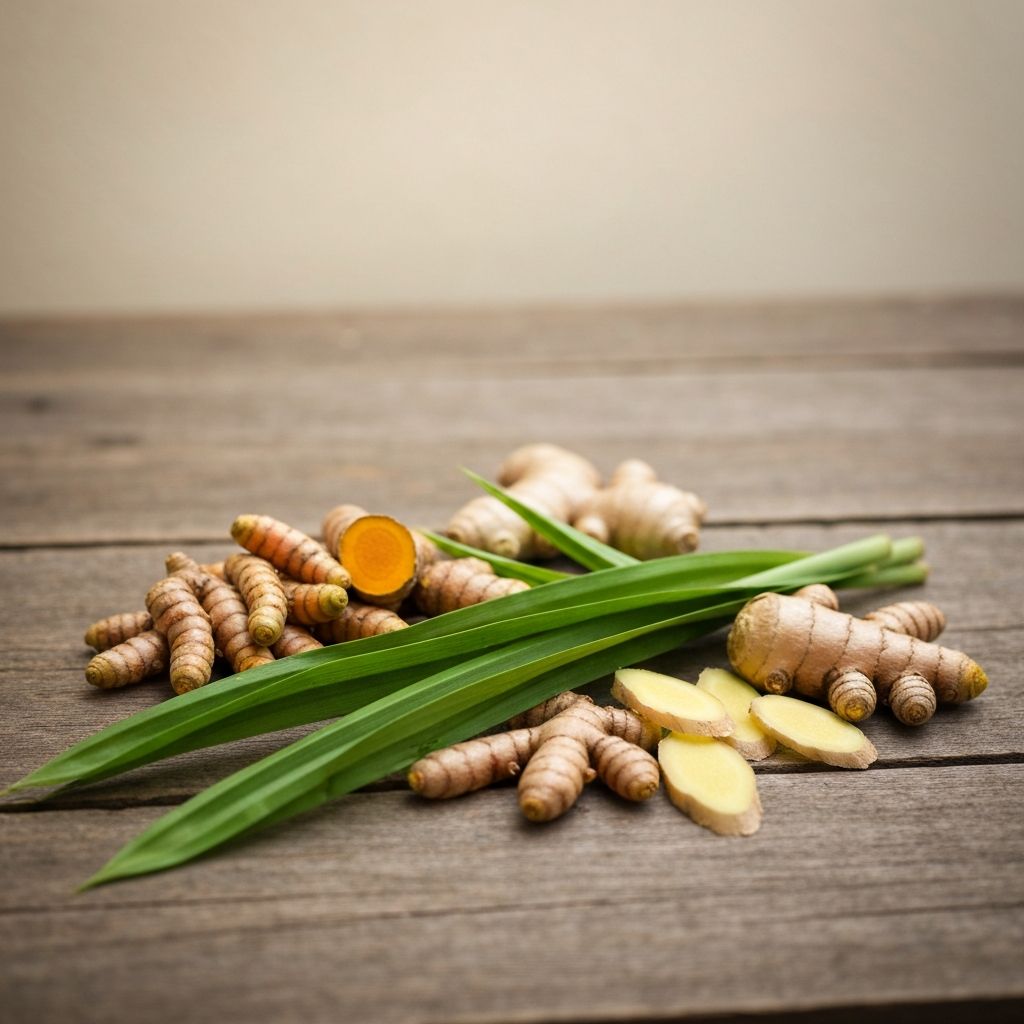
Glucosamine from Island Natural Sources
Glucosamine compounds occur naturally in various marine and plant sources found throughout Indonesian tropical ecosystems. These compounds contribute to the comprehensive nutritional profile of traditional island diets.
The bioavailability and concentration of glucosamine vary across different natural sources. Understanding these differences provides context for how traditional cultures have incorporated diverse food sources to support balanced nutritional intake and everyday wellness practices.
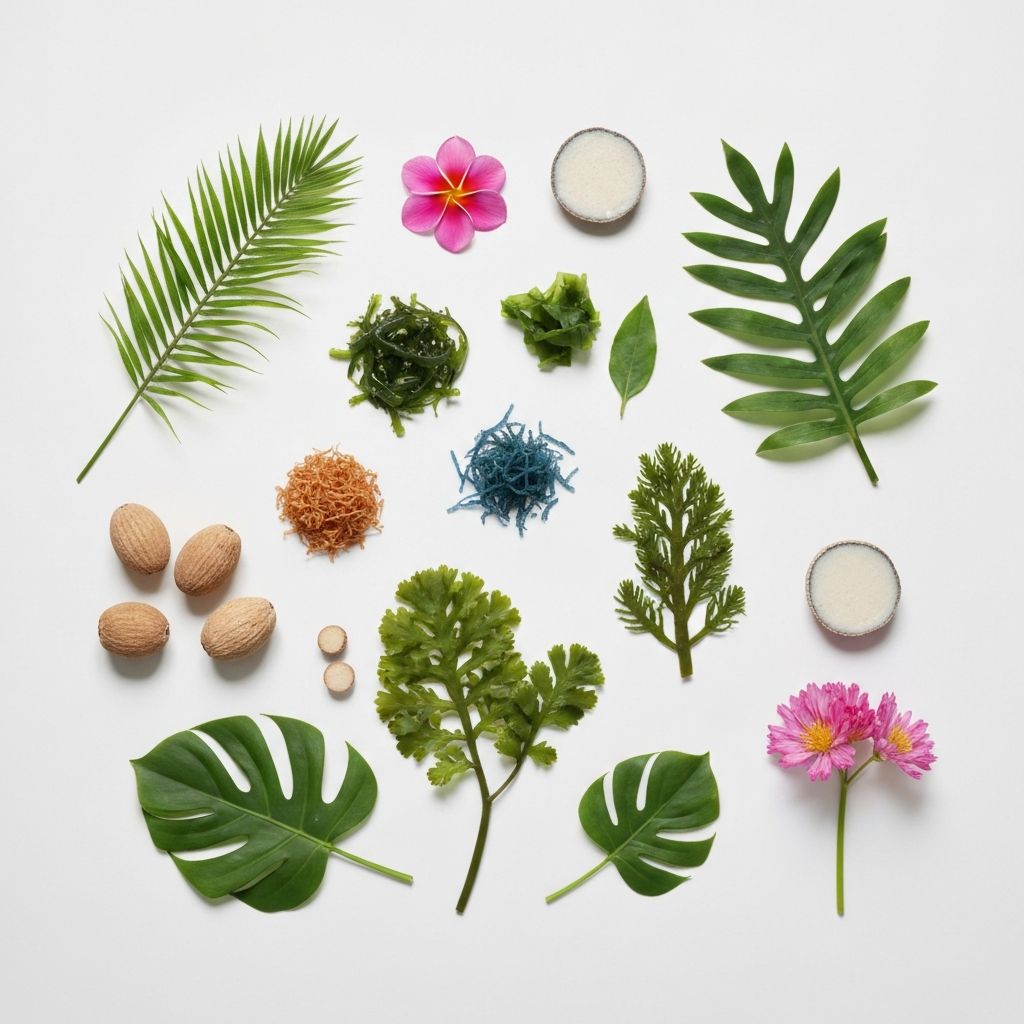
Chondroitin in Traditional Foods
Chondroitin represents a compound found in various traditional Indonesian food elements. These sources reflect centuries of dietary practices and cultural knowledge about nutritional components.
The presence of chondroitin in bone broths, seafood, and other traditional preparations suggests these food sources have been valued for their comprehensive nutritional profiles. Different preparation methods affect the bioavailability and concentration of these natural compounds.
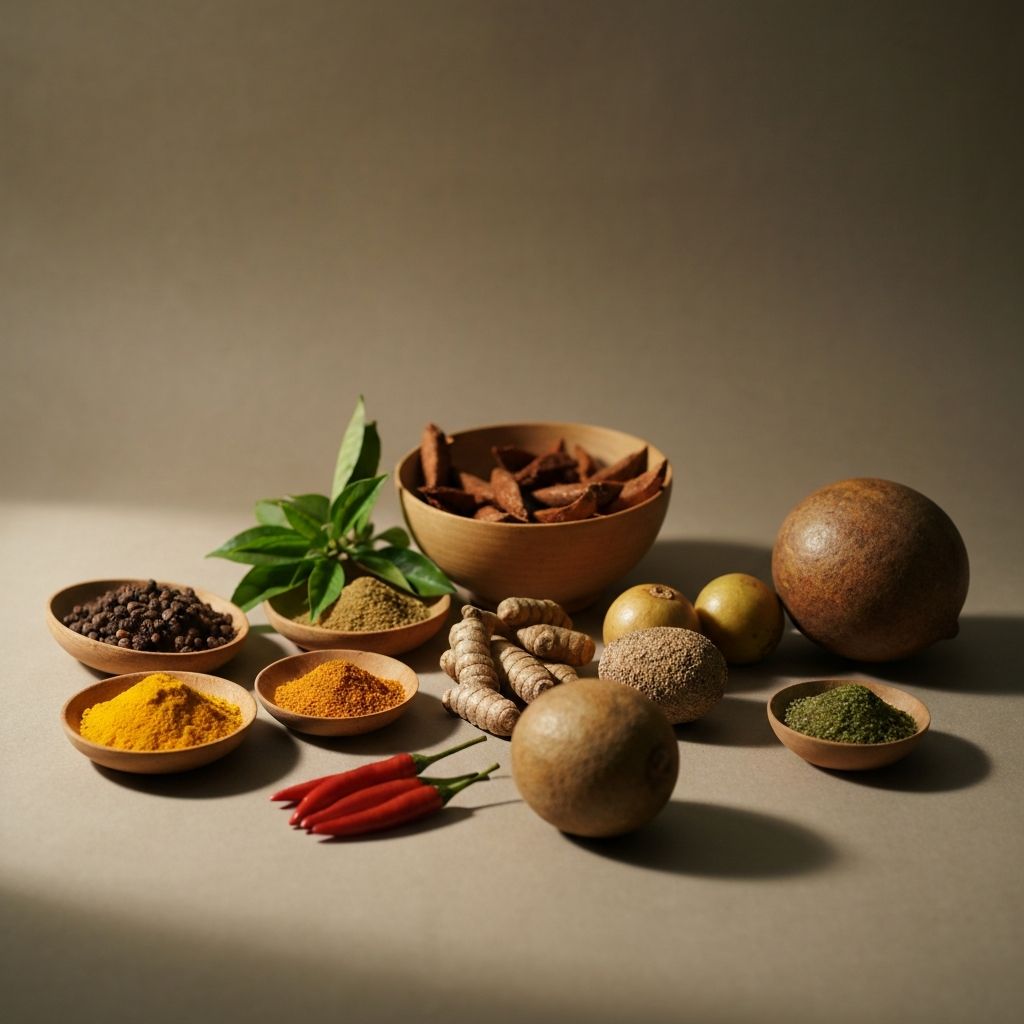
Collagen Peptides from Marine Sources
Marine-derived collagen peptides represent a significant nutritional component in coastal Indonesian dietary traditions. Ocean ecosystems provide diverse sources of this compound, utilized in traditional food preparations and broths.
The molecular structure of marine collagen peptides differs slightly from terrestrial sources, affecting digestibility and absorption profiles. Understanding these natural sources contributes to knowledge about diverse nutritional approaches across different ecosystems and cultural practices.

MSM in Plant-Based Diets
Methylsulfonylmethane (MSM) occurs naturally in various plant foods, particularly those grown in sulfur-rich soils common throughout Indonesian agricultural regions. This organic sulfur compound represents an often-overlooked nutritional element in plant-based dietary approaches.
The concentration of MSM varies based on soil conditions and plant species. Traditional diets incorporating diverse plant sources naturally provided access to this compound, supporting comprehensive nutritional intake for everyday wellness and bodily functions.
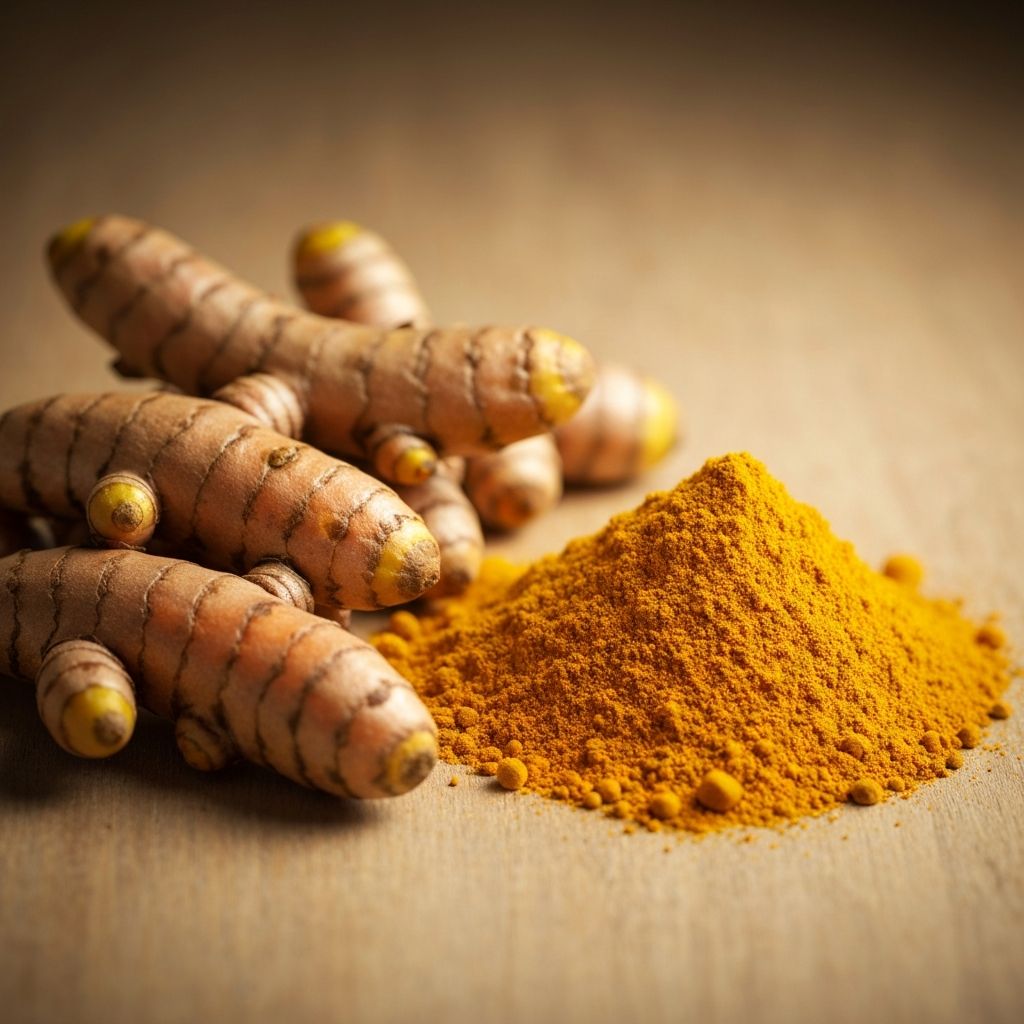
Curcumin from Native Turmeric
Curcumin, the primary bioactive compound in turmeric, has been central to Indonesian culinary and traditional practices for centuries. Native turmeric varieties grown across the archipelago contain varying concentrations of this natural compound.
The chemical composition and bioavailability of turmeric-derived curcumin depend on numerous factors including growth conditions, harvest timing, and preparation methods. Traditional combinations with other ingredients like black pepper (piperine) reflect historical understanding of compound absorption and nutritional synergy.
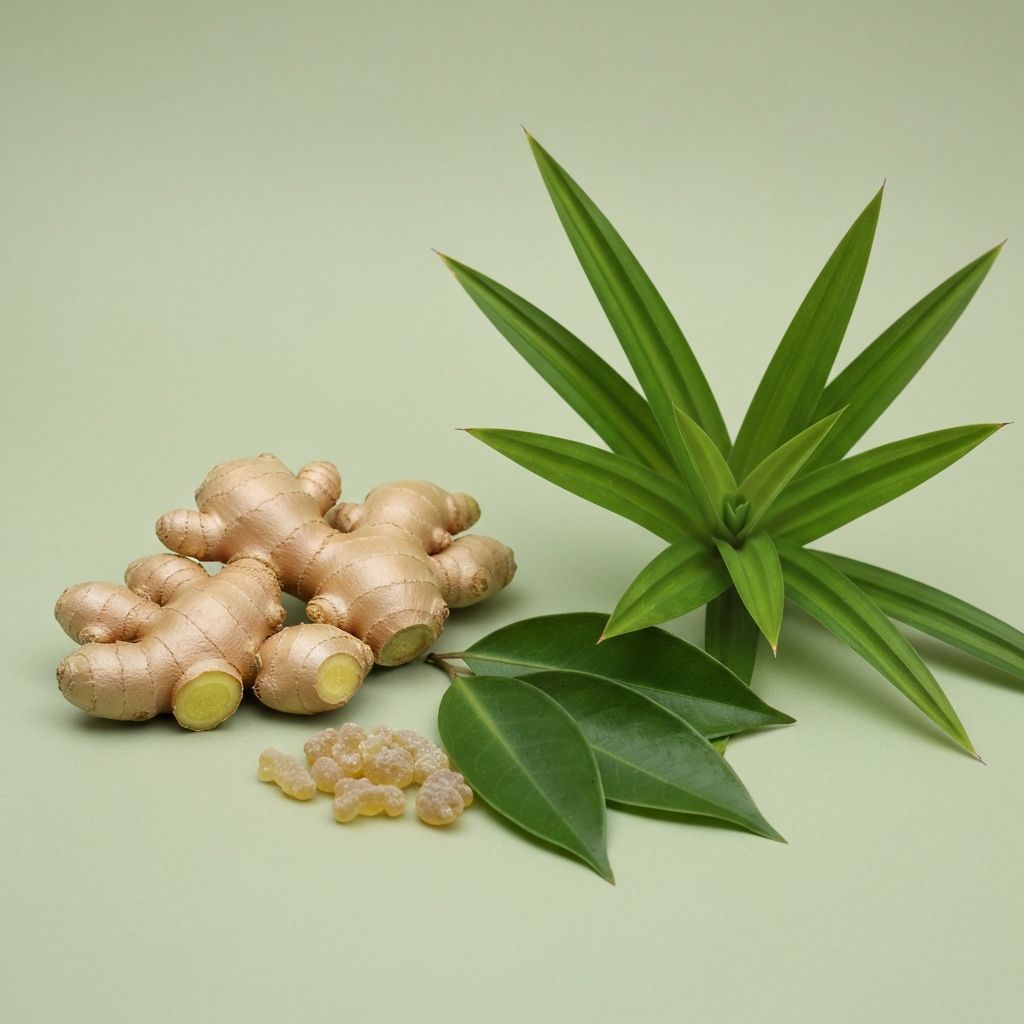
Ginger, Boswellia, Jambu & Pandan Information
These four botanical elements represent distinct components of Indonesian natural dietary practices:
Ginger (Zingiber officinale) - Contains gingerol compounds and has been used in traditional medicine systems for thousands of years across Asia. Fresh and dried ginger offer different flavor profiles and bioactive compound concentrations.
Boswellia - Tree resin containing boswellic acids, traditionally utilized in various cultural practices. The compound profile varies across different Boswellia species found in tropical regions.
Jambu (Syzygium species) - Native Indonesian fruit with distinctive compounds. Different Jambu varieties offer varying nutritional profiles and have been incorporated into traditional dietary practices.
Pandan (Pandanus amaryllifolius) - Aromatic leaves used throughout Southeast Asian cuisine, containing unique volatile compounds and traditional nutritional significance in island communities.
Native Indonesian Compounds for Everyday Wellness
Natural dietary elements supporting mobility and balanced body movement - for men and women
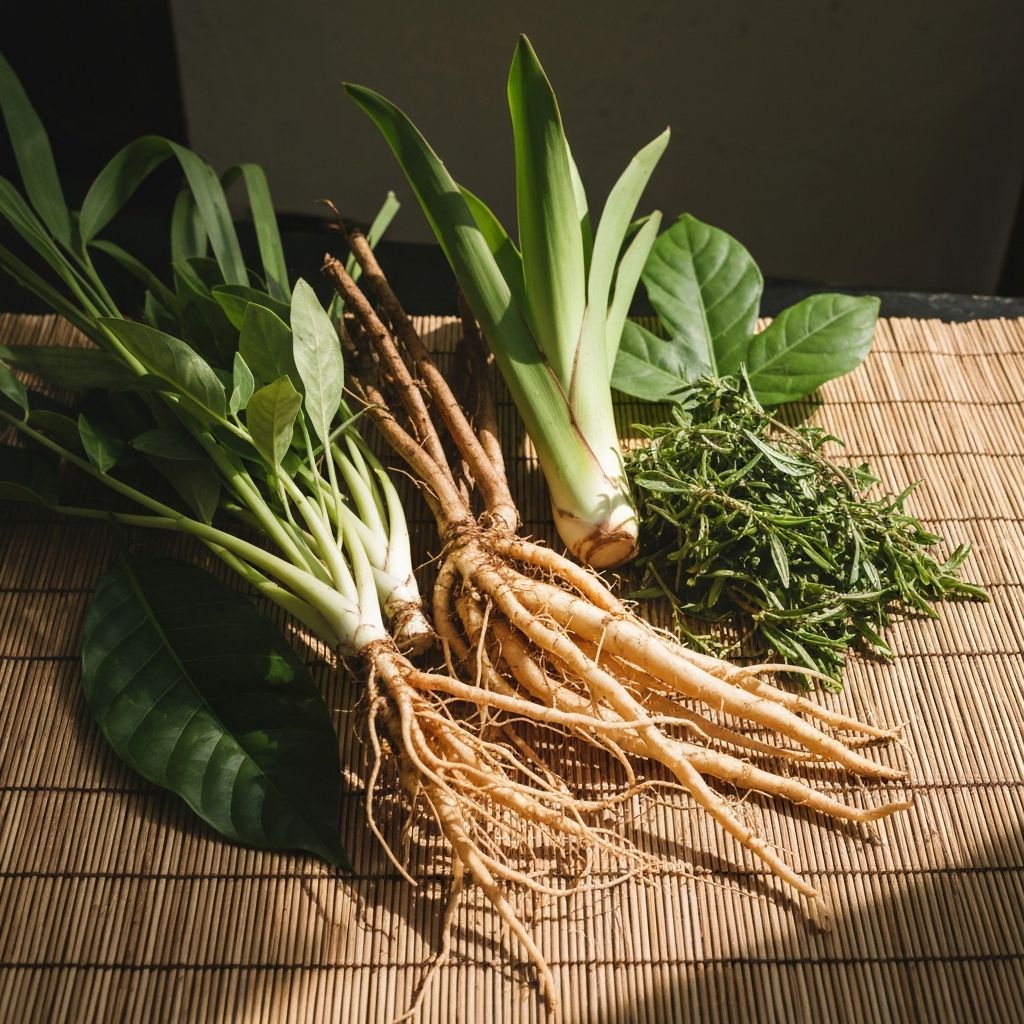
Island Herbal Complex
Traditional Indonesian herbs combined in their natural form, supporting comprehensive nutritional intake
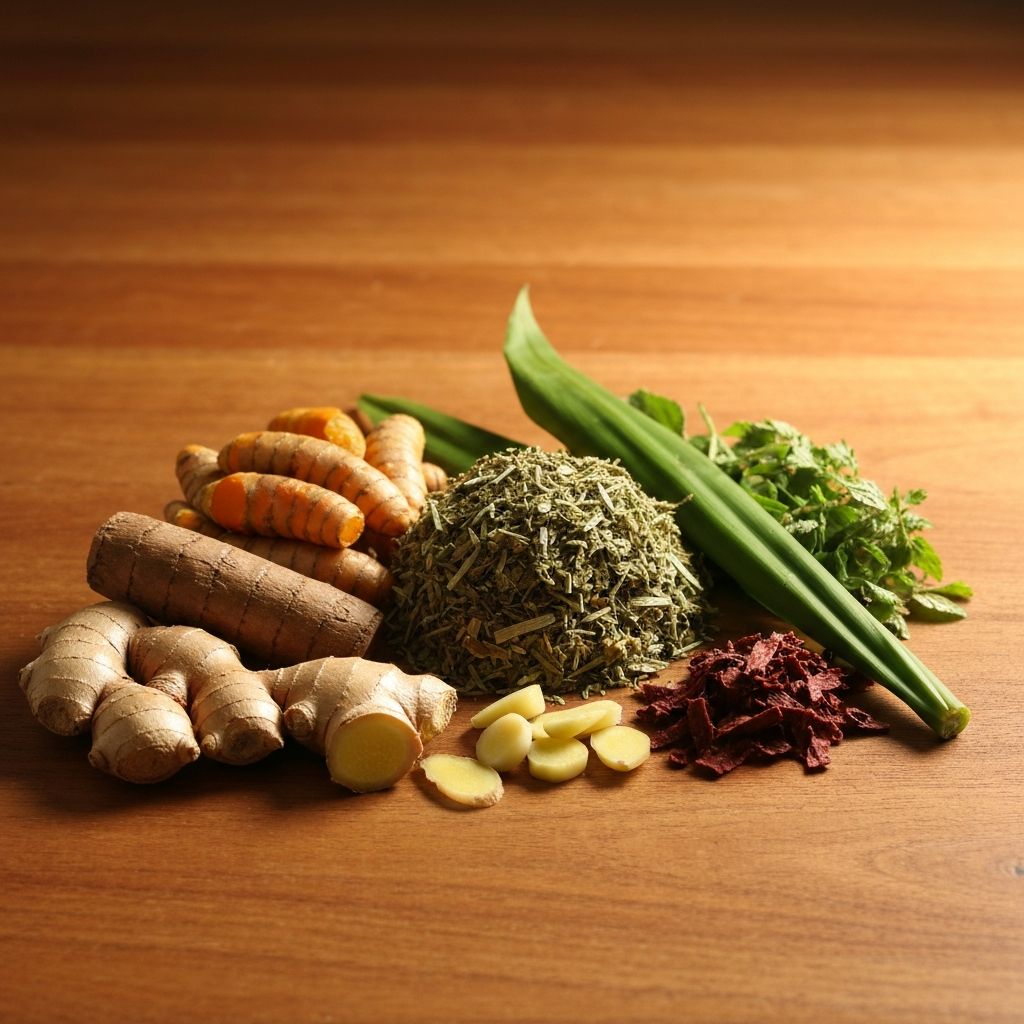
Tropical Plant Elements
Native compounds from turmeric, ginger, and other regional plants, reflecting traditional dietary practices

Everyday Dietary Support
Natural elements supporting balanced movement and everyday wellness through traditional nutritional approaches
Frequently Asked Questions
What makes Indonesian plant sources unique?
Indonesia's tropical climate and biodiversity create optimal conditions for diverse botanical species. The unique soil composition, rainfall patterns, and elevation changes across the archipelago contribute to varied compound concentrations in native plants. This ecological diversity has supported traditional nutritional practices and cultural knowledge systems for centuries.
How do traditional dietary practices relate to these compounds?
Indonesian communities have incorporated these plant sources into daily meals and preparations for generations. Traditional dishes often combine multiple botanical elements, reflecting historical understanding of nutritional complementarity. These practices represent accumulated knowledge about balanced dietary approaches rather than isolated compound utilization.
What is bioavailability and why does it matter?
Bioavailability refers to the degree and rate at which compounds are absorbed and utilized by the body from food sources. Different preparation methods, combinations with other foods, and individual digestive factors affect bioavailability. Traditional preparations often reflected understanding of how different elements interact to support compound absorption.
Are these compounds found in other regions?
While specific compounds exist in various global regions, their concentration and form vary significantly. Indonesian sources represent particular ecological and agricultural contexts. Similar compounds in other regions may derive from different plant species or have different biochemical profiles based on local growing conditions.
How do preparation methods affect compound profiles?
Different preparation techniques—fresh, dried, fermented, boiled, or powdered—alter compound concentration and stability. Temperature, duration of processing, and moisture content all influence which compounds remain bioavailable. Traditional methods often reflected optimization for maximum nutritional value and digestibility.
What does "natural" mean in this context?
Natural refers to compounds derived directly from plant sources without synthetic creation. However, "natural" doesn't automatically mean risk-free or universally appropriate. All dietary elements carry individual variation in tolerance and interaction with personal health circumstances and medications.
How do these compounds support everyday movement?
Various research suggests certain compounds support musculoskeletal function through different mechanisms—providing structural elements, supporting tissue resilience, and contributing to overall nutritional status. Daily physical activity, balanced diet, adequate hydration, and appropriate rest remain fundamental to movement capability.
Is there a difference between men's and women's nutritional needs?
Nutritional requirements vary based on individual factors including age, activity level, body composition, health status, and hormonal profile. While certain nutrients have gender-influenced recommendations due to physiological differences, personalized nutritional approaches should consider individual circumstances rather than gender generalizations.
Essential Context & Limitations
Information Disclaimer: The content presented on this website is educational and informational in nature only. This website does not provide medical advice, professional diagnosis, treatment recommendations, or personal health consultations.
No Individual Recommendations: The information about native botanical compounds, dietary elements, and nutritional approaches represents general educational content. It should not be interpreted as recommendations or guidance for your personal health decisions. Individual nutritional needs, health status, medications, and circumstances vary significantly.
Diverse Approaches to Wellness: Multiple approaches exist for supporting everyday wellness and movement capability. These include regular physical activity, adequate rest, stress management, hydration, balanced nutrition from diverse sources, and appropriate medical care when needed. Dietary elements alone do not determine health outcomes.
Professional Consultation: Before making changes to your dietary practices, particularly if you have existing health conditions, take medications, or have specific health concerns, consult with qualified healthcare professionals. A healthcare provider or registered nutritionist can assess your individual circumstances and provide personalized guidance.
Individual Variation: Responses to dietary elements vary among individuals based on genetics, health status, digestive capacity, lifestyle factors, and numerous other variables. What represents an appropriate nutritional approach for one person may differ for another.
Quality and Source Variability: The composition and quality of botanical compounds vary based on growing conditions, harvest timing, processing methods, and storage. Different sources may provide different concentrations and forms of active compounds.
Research Status: While many compounds discussed have been studied, the state of scientific evidence varies. Some compounds have extensive research support, while others have limited human studies. Ongoing research continues to clarify mechanisms and applications.
Not a Medical Product: The compounds and dietary elements described are not intended to diagnose, treat, cure, or prevent any disease. This website does not replace medical treatment or professional healthcare.
Explore the World of Native Indonesian Nutrition
Understanding traditional botanical sources and their role in everyday dietary practices offers perspective on global nutritional diversity. Indonesian plant compounds represent centuries of cultural knowledge and ecological adaptation.
Discover more about how native elements support comprehensive approaches to everyday wellness and balanced body movement.
Get in Touch
Have questions about native Indonesian plant compounds and dietary approaches? We're here to provide educational information and context about these fascinating botanical elements.